 Essential Nose
 Egyptian Geranium
Pelargonium graveolens
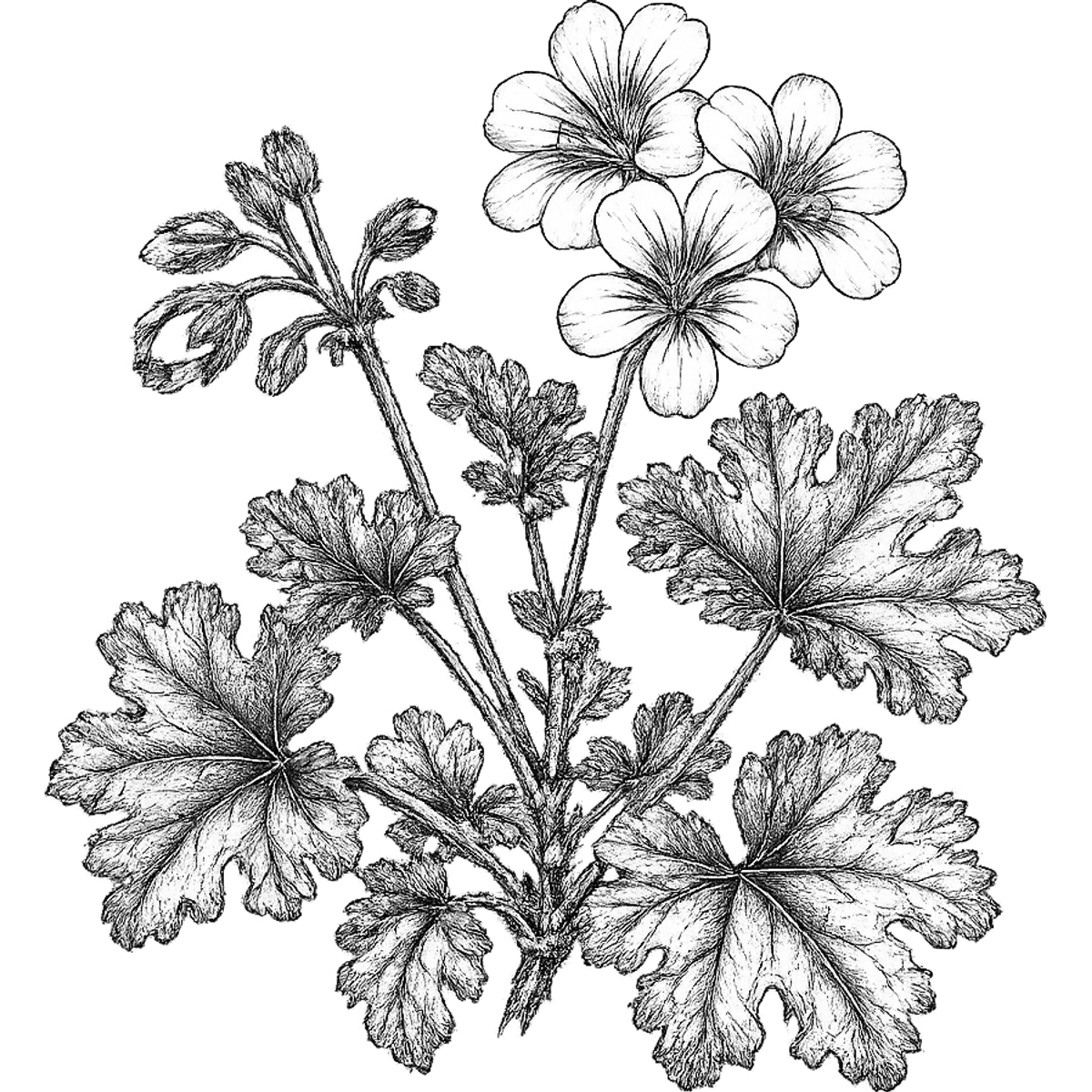
Egyptian geranium (Pelargonium graveolens L'Hér.), steam-distilled from plants cultivated in Egypt—one of the world's largest producers, exporting over 250 tonnes annually—yields an oil whose principal constituents are β-citronellol (≈22-30%), citronellyl formate (≈13%), geraniol (≈11-15%), and linalool.[1] GC-MS profiling of Egyptian-grown material identifies compositional variation attributable to climate, altitude, and phenological stage at harvest.[1] The oil demonstrates documented antimicrobial activity, including antibiofilm efficacy against drug-resistant clinical isolates.[2]
- Also Known As
- Rose Geranium (Egypt), Geranium Egypt
- Family
- Floral
- Perfumery Note
- Middle
- Intensity
- Medium
- Extraction
- Steam Distillation
- Plant Parts
- Leaves
- Origins
- Egypt
- Effect
- Balancing, Uplifting & Energizing
- Aroma
- Floral, Rosy, Sweet, Herbaceous
- Applications
- Aromatherapy, Perfumery, Skincare, Bath & Body, Massage
- Price
- $$$$Egypt is the world's largest producer of geranium oil; the high cultivation volume and competitive local labour costs make Egyptian geranium the most affordable of the named geranium origins
References
- [1]An In-Depth Study on the Chemical Composition and Biological Effects of Pelargonium graveolens Essential Oil — Kačániová M et al. Foods, 2024
- [2]Antimicrobial synergism and antibiofilm activities of Pelargonium graveolens, Rosemary officinalis, and Mentha piperita essential oils against extreme drug-resistant Acinetobacter baumannii clinical isolates — Qasim M et al. PLoS ONE, 2021