 Essential Nose
 Frankincense Serrata
Boswellia serrata
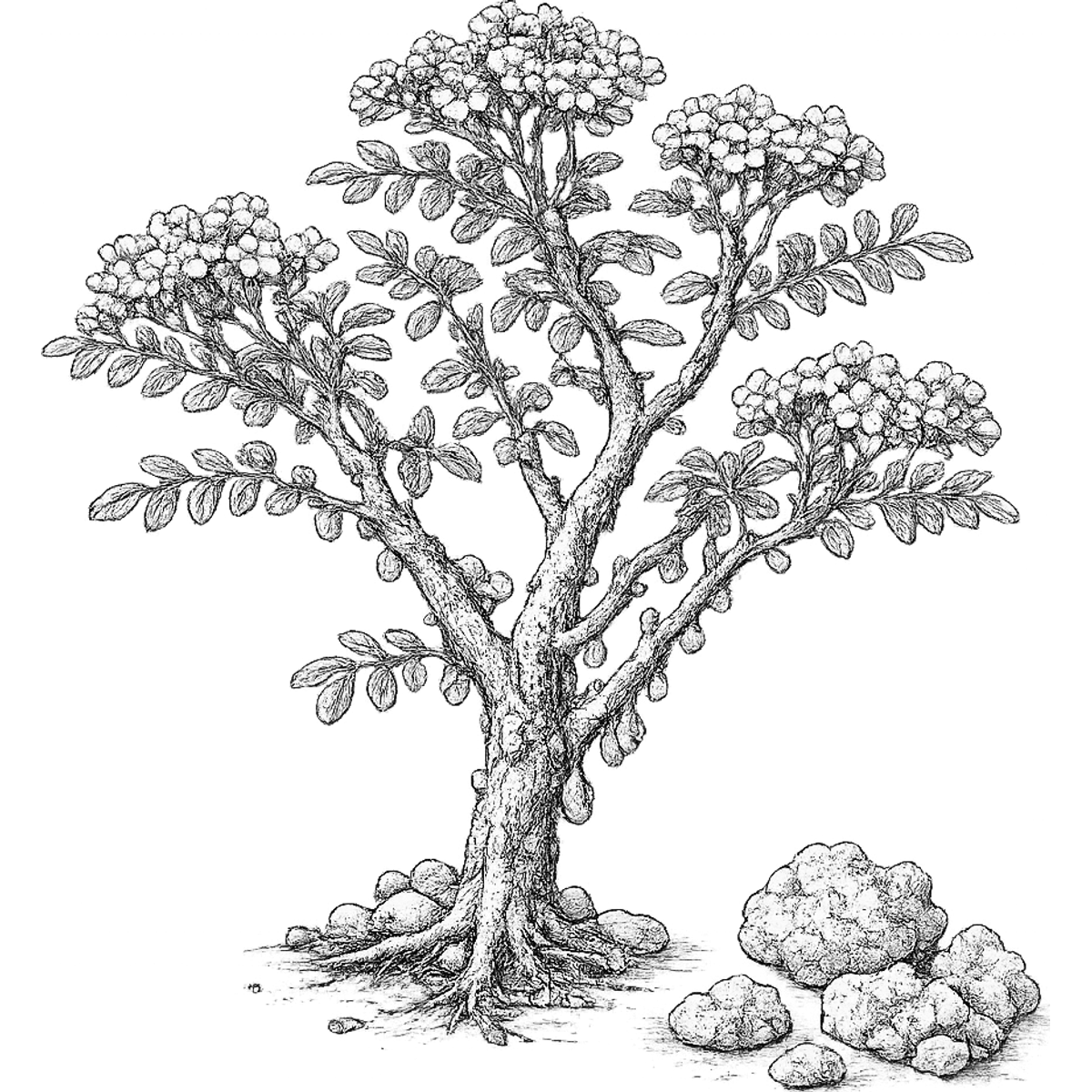
Boswellia serrata, the Indian frankincense, produces an essential oil with a warmer, earthier, and more peppery character than its East African relatives, reflecting a composition dominated by alpha-pinene and alpha-thujene alongside trans-verbenol and sabinene.[1] Although B. serrata is the Boswellia species most extensively studied for its boswellic acid content in clinical trials for inflammation, those pentacyclic triterpenic acids are confined to the resin and gum and do not appear in the steam-distilled essential oil. The essential oil itself has demonstrated superior broad-spectrum antimicrobial activity, including synergistic activity with azole antifungals against drug-resistant Candida albicans strains.[2]
- Also Known As
- Indian Frankincense, Salai Guggul, Indian Olibanum, Shallaki
- Family
- Resinous
- Perfumery Note
- Base
- Intensity
- Medium
- Extraction
- Steam Distillation
- Plant Parts
- Resin
- Origins
- India, Pakistan
- Effect
- Grounding, Anti-inflammatory, Meditative
- Aroma
- Warm, Spicy, Balsamic, Slightly Peppery, Earthy
- Applications
- Aromatherapy, Perfumery, Skincare, Medicinal, Massage
- Price
- $$$$Indian olibanum from widely cultivated Boswellia serrata trees; broader plantation access and larger production volumes make it the most affordable frankincense species
References
- [1]Chemical composition and antimicrobial activity of Boswellia serrata oleo-gum-resin essential oil extracted by superheated steam — Ayub MA et al. Natural Products Research, 2023
- [2]Synergistic antimicrobial activity of Boswellia serrata Roxb. ex Colebr. (Burseraceae) essential oil with various azoles against pathogens associated with skin, scalp and nail infections — Sadhasivam S et al. Letters in Applied Microbiology, 2016