 Essential Nose
 Rosemary ct. Camphor
Salvia rosmarinus ct. camphor
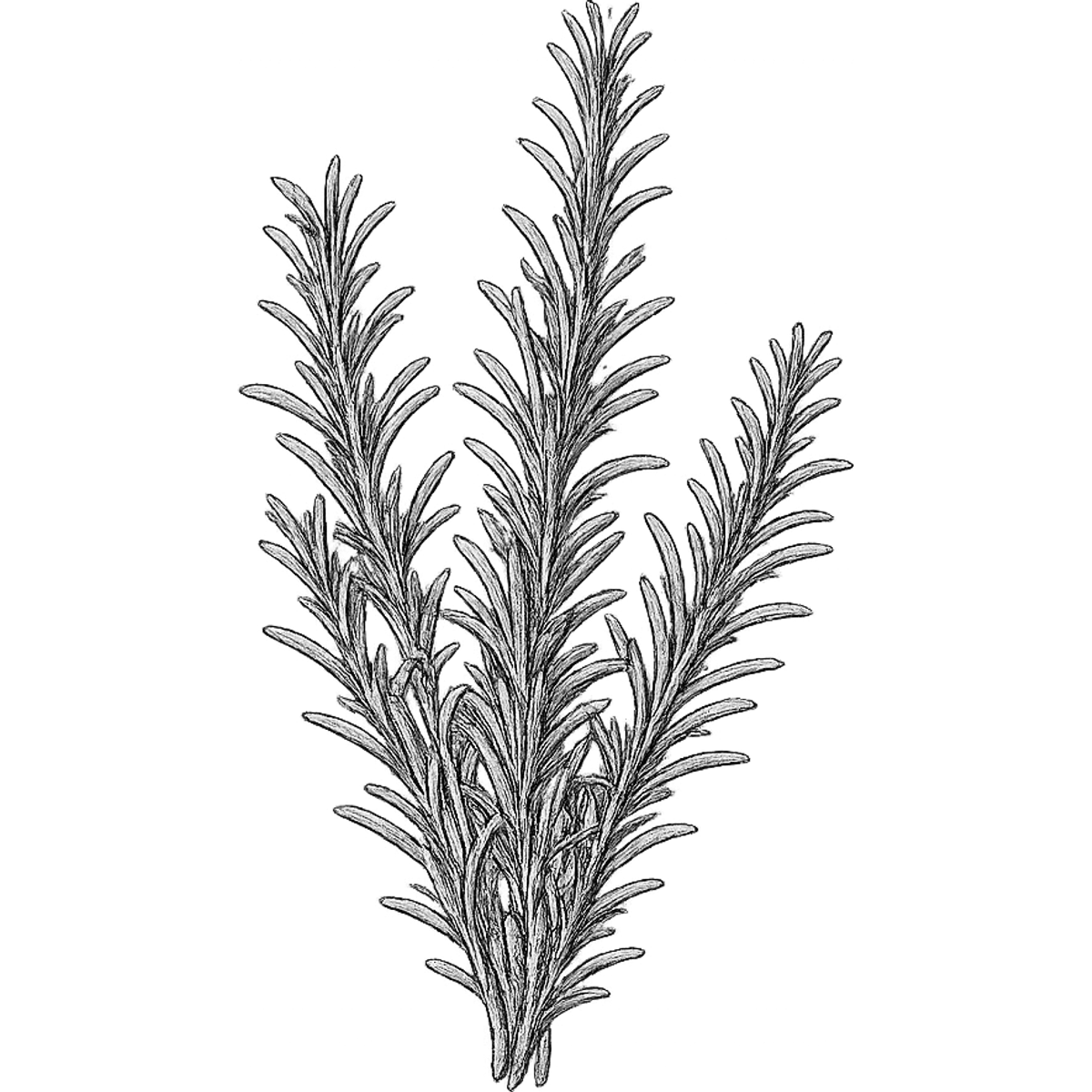
The camphor chemotype of Salvia rosmarinus contains 20-45% camphor — markedly higher than other rosemary chemotypes — giving it the most pungent, medicinal aroma and the strongest stimulating and analgesic character of the group. Camphor exerts analgesia through TRPV1 agonism followed by rapid receptor desensitisation, blunting nociceptor signalling; this mechanism was characterised in a landmark study showing camphor activates and then strongly desensitises TRPV1 channels in a vanilloid-independent manner.[1] Because camphor readily crosses the blood-brain barrier and can act as a convulsant, this chemotype is contraindicated in epilepsy and pregnancy — a risk profile documented in a systematic review of essential oils and seizure events that specifically identified camphor-rich oils as proconvulsant.[2]
- Also Known As
- Spanish Rosemary, Camphor Rosemary
- Family
- Herbal
- Perfumery Note
- Middle
- Intensity
- Strong
- Extraction
- Steam Distillation
- Plant Parts
- Flowering tops
- Origins
- Spain, Morocco
- Effect
- Stimulating, Analgesic, Clearing
- Aroma
- Camphoraceous, Strong, Medicinal, Herbal
- Applications
- Aromatherapy, Massage, Medicinal, Inhalation
- Price
- $$$$Produced mainly in Spain and France in moderate volumes; similar cultivation scale to the cineole chemotype but a slightly smaller market keeps pricing comparable
References
- [1]Camphor activates and strongly desensitizes the transient receptor potential vanilloid subtype 1 channel in a vanilloid-independent mechanism — Xu H, Blair NT, Clapham DE. Journal of Neuroscience, 2005
- [2]The Effects of Various Essential Oils on Epilepsy and Acute Seizure: A Systematic Review — Bahr TA et al. Evidence-Based Complementary and Alternative Medicine, 2019