 Essential Nose
 Rosemary ct. Verbenone
Salvia rosmarinus ct. verbenone
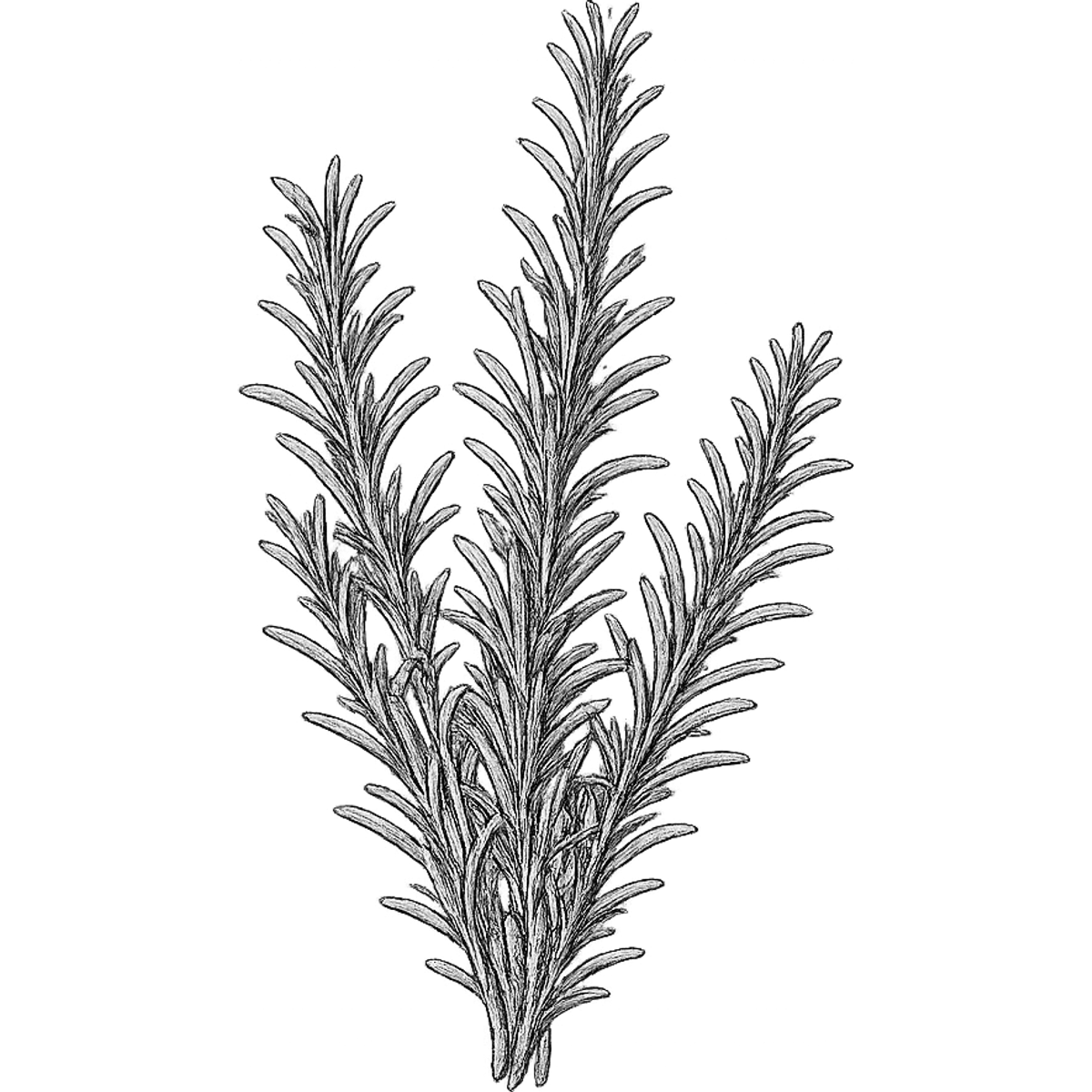
The verbenone chemotype of Salvia rosmarinus, grown predominantly in Corsica and Sardinia, contains 15-40% verbenone alongside lower camphor levels than other chemotypes, producing a sweeter, softer aroma and the gentlest safety profile of the group — making it the favoured rosemary oil in cosmetic and dermatological applications. A chemotypic characterisation study confirmed that different Rosmarinus officinalis chemotypes express distinct phytochemical fingerprints with correspondingly different biological activities, supporting the selection of verbenone types for topical formulations.[1] Its follicle-stimulating properties have attracted research: a controlled study demonstrated that Rosmarinus officinalis leaf extract significantly promoted hair regrowth in a testosterone-induced hair-loss mouse model, with topical application outperforming vehicle controls.[2]
- Also Known As
- Corsican Rosemary, Verbenone Rosemary
- Family
- Herbal
- Perfumery Note
- Middle
- Intensity
- Medium
- Extraction
- Steam Distillation
- Plant Parts
- Flowering tops
- Origins
- Corsica, France, Sardinia
- Effect
- Balancing, Calming & Relaxing, Regenerating
- Aroma
- Herbal, Sweet, Slightly Camphoraceous, Softer than ct. Cineole
- Applications
- Aromatherapy, Skincare, Haircare, Medicinal
- Price
- $$$$Primarily from Corsica where the specific microclimate favours this rare chemotype; limited growing area and smaller yields make it the most expensive rosemary, often three to four times the cineole price