 Essential Nose
Spikenard
Nardostachys jatamansi
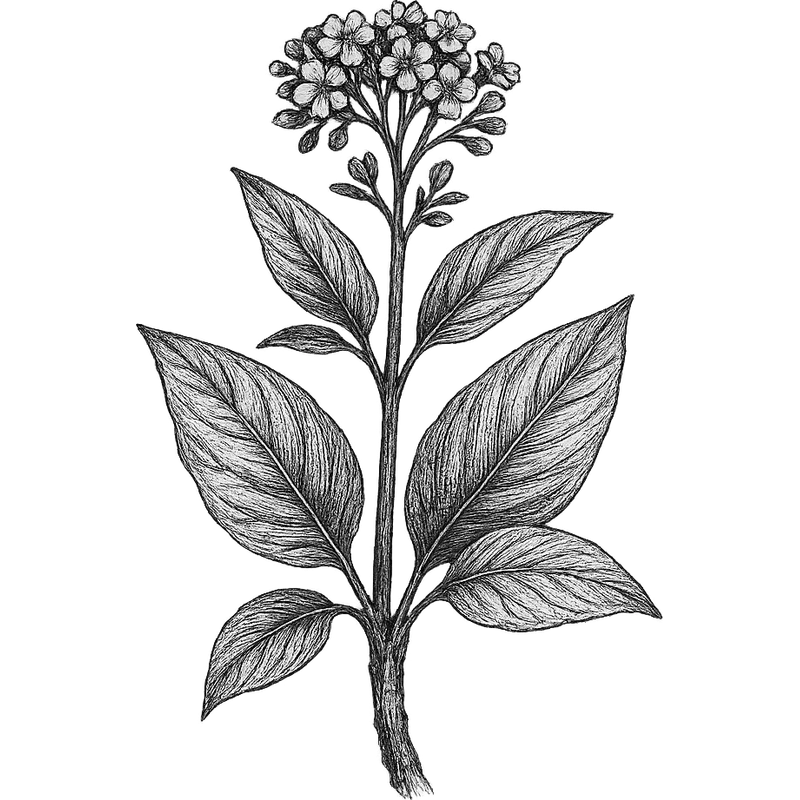
Spikenard is the oil of the alabaster jar, named through the Bible and the classical world. It comes from the roots of a Himalayan plant and smells deeply earthy, musky and slightly animal. Jatamansone and its relatives are the heavy, slow-evaporating compounds that give it that weight. Isolated compounds from the plant damped inflammatory signalling in brain immune cells, more so at higher doses.[1] Reviews cover the plant broadly rather than the distilled oil, so its calming reputation rests on tradition.[2]
- Also Known As
- Nard, Jatamansi
- Family
- Woody
- Perfumery Note
- Base
- Intensity
- Strong
- Extraction
- Steam Distillation
- Plant Parts
- Roots
- Origins
- Nepal, India, China
- Effect
- Sleep & Relaxation, Grounding & Centering
- Aroma
- Earthy, Woody, Musky
- Applications
- Diffusing & Inhalation, Skincare, Massage & Body, Perfumery & Fragrance Making
- Price
- $$$$Grows at high altitudes in the Himalayas; difficult to harvest and slow to grow