 Essential Nose
 Texas Cedarwood
Juniperus ashei
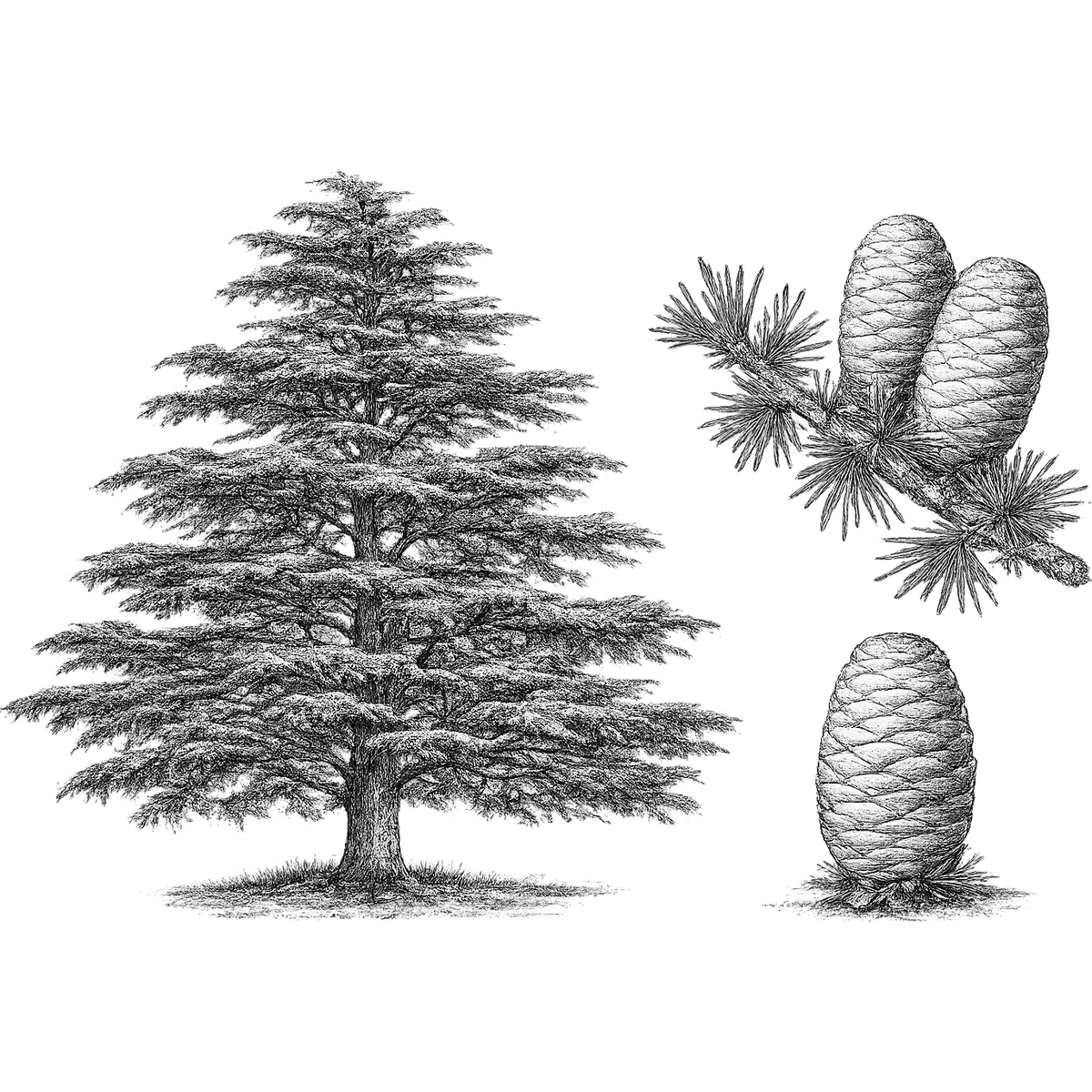
Despite being marketed as cedarwood, Juniperus ashei is botanically a juniper — not a true Cedrus — and its oil profile reflects this distinction, with thujopsene (around 35%) and cedrol (around 27%) as the principal sesquiterpenes, alongside a-cedrene and β-cedrene.[1] Compared with Atlas or Himalayan cedarwood, the aroma sits drier and more austere, with a faintly smoky, pencil-shaving quality that makes it a popular and cost-effective alternative in perfumery and aromatherapy. Cedrol and thujopsene, both abundant in J. ashei oil, have been shown to inhibit cytochrome P450 enzymes in human liver microsomes, relevant context for understanding potential herb-drug interactions with heavy topical use.[2]
- Also Known As
- Mountain Cedar, Ashe Juniper, Rock Cedar
- Family
- Woody
- Perfumery Note
- Base
- Intensity
- Medium
- Extraction
- Steam Distillation
- Plant Parts
- Wood
- Origins
- Texas, USA, Mexico
- Effect
- Grounding, Calming & Relaxing
- Aroma
- Woody, Dry, Balsamic, Slightly Smoky
- Applications
- Aromatherapy, Perfumery, Skincare, Haircare, Cleaning
- Price
- $$$$Juniperus ashei is treated as an invasive pest in Texas; the oil is largely a byproduct of clearing programs, making raw material extremely cheap and the final oil very affordable
References
- [1]Chemical composition and antibacterial activity of selected essential oils and some of their main compounds — Wanner J, Schmidt E, Bail S, et al. Natural Products Communications, 2010
- [2]Inhibitory effects of cedrol, β-cedrene, and thujopsene on cytochrome P450 enzyme activities in human liver microsomes — Jeong HU, Kwon SS, Kong TY, et al. Journal of Toxicology and Environmental Health, Part A, 2014