 Essential Nose
 Thyme ct. Geraniol
Thymus vulgaris ct. geraniol
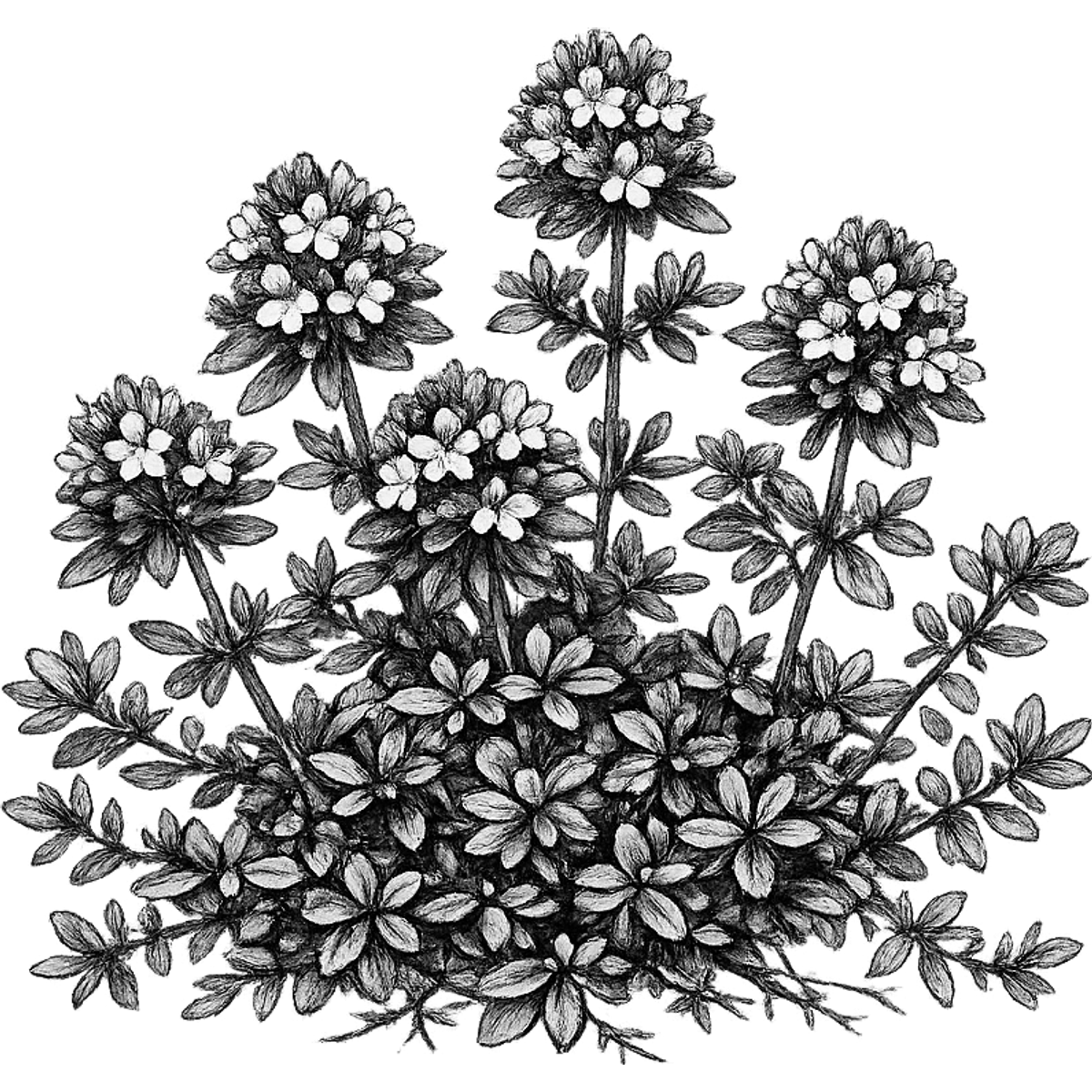
Thymus vulgaris ct. geraniol is a chemotype of common thyme in which the acyclic monoterpene alcohol geraniol constitutes the dominant volatile fraction (approximately 26% of the essential oil), in contrast to the phenolic thymol or linalool that define other chemotypes.[1] Oils of this type, cultivated in southern France, exhibit potent antibacterial activity against Gram-positive organisms while retaining activity against Gram-negative strains, comparable to the other major chemotypes.[1] The geraniol-dominant fraction has also been shown to suppress LPS-induced IL-6 and TNFa secretion in BV-2 microglia via modulation of NF-κB and C/EBPβ signalling pathways.[2]
- Also Known As
- Geraniol Thyme, Sweet Thyme
- Family
- Herbal
- Perfumery Note
- Middle
- Intensity
- Medium
- Extraction
- Steam Distillation
- Plant Parts
- Flowering tops
- Origins
- France, Spain
- Effect
- Balancing, Calming & Relaxing, Antimicrobial
- Aroma
- Floral, Sweet, Rosy, Herbal
- Applications
- Aromatherapy, Medicinal, Skincare, Massage
- Price
- $$$$A rare chemotype occurring naturally in isolated microclimates; extremely limited production area and small-batch harvests make it the most expensive thyme chemotype by a wide margin
References
- [1]Chemical composition, olfactory analysis and antibacterial activity of Thymus vulgaris chemotypes geraniol, 4-thujanol/terpinen-4-ol, thymol and linalool cultivated in southern France — Schmidt E et al. Natural Product Communications, 2012
- [2]Three chemotypes of thyme (Thymus vulgaris L.) essential oil and their main compounds affect differently the IL-6 and TNFa cytokine secretions of BV-2 microglia by modulating the NF-κB and C/EBPβ signalling pathways — Horváth G et al. BMC Complementary Medicine and Therapies, 2021